Indoor Air Quality Solutions
Indoor Air Quality Solutions for a Healthier Home
Poor indoor air quality affects millions of American homes every year, yet most homeowners never think about it until symptoms appear. Headaches, allergies, and chronic fatigue are often blamed on stress or seasonal bugs, when the real culprit is the air circulating through your home. The good news? Effective indoor air quality solutions exist, and the team at Keeven Heating & Cooling is here to walk you through them. This guide covers the most common indoor air quality problems and solutions, the HVAC options that make a real difference, and when it is time to call a professional. Learn more about indoor air quality in St. Louis, MO.
Why Indoor Air Quality Matters
Most people spend the majority of their time indoors, making the quality of that air critically important to overall health. For St. Louis, MO, homeowners, seasonal humidity, pollen, and older housing stock can make this indoor air quality problem even more pronounced. Poor indoor air quality has been linked to:
- Respiratory conditions such as asthma and bronchitis
- Aggravated allergy symptoms
- Headaches and fatigue
- Long-term cardiovascular and neurological effects with prolonged exposure to certain pollutants
Common Indoor Air Quality Problems and Solutions
Identifying the source of poor air quality is essential before choosing a solution. Many homeowners deal with multiple issues at once, which is why a comprehensive approach tends to work best. The most common indoor air quality problems include:
- Dust and Particulate Matter: Accumulates in ducts, carpets, and furniture
- Mold and Mildew: Thrives in humid areas such as basements and bathrooms
- Volatile Organic Compounds (VOCs):
Released from paints, cleaning products, and building materials
- Carbon Monoxide:
Produced by gas appliances and furnaces
- Pet Dander and Allergens: Circulated continuously through HVAC systems
Each of these problems calls for targeted indoor air quality solutions and strategies. For particulate matter and allergens, high-efficiency air filtration is often the most effective response. For VOCs and carbon monoxide, proper ventilation and carbon monoxide detectors are non-negotiable. Mold and humidity issues typically require a dehumidifier or a whole-home humidity control system.
Indoor Air Quality HVAC Solutions That Work
Your HVAC system plays a central role in the air you breathe every day. When maintained and upgraded correctly, it becomes one of the most powerful indoor air quality HVAC solutions available to homeowners. At Keeven Heating & Cooling, we recommend the following HVAC-based approaches:
- High-Efficiency Air Filters (MERV 11-13):
These filters capture fine particles that standard filters miss, including dust mites, mold spores, and some bacteria.
- UV Germicidal Lights: Installed inside the HVAC system, UV lights neutralize airborne bacteria, viruses, and mold before they circulate through your home.
- Whole-Home Air Purifiers: These systems integrate directly with your HVAC unit and provide continuous air cleaning at a higher level than portable units.
- Energy Recovery Ventilators (ERVs): ERVs bring fresh outdoor air into the home while expelling stale indoor air, all without wasting energy on heating or cooling.
- Duct Cleaning and Sealing: Dirty or leaky ducts spread contaminants throughout your home and reduce system efficiency at the same time.
Indoor Air Quality Solutions and Strategies for Homeowners
HVAC upgrades are powerful, but daily habits and home adjustments also contribute significantly to cleaner air. Homeowners in St. Louis, MO can take several proactive steps to complement their HVAC improvements. Practical indoor air quality solutions and strategies include:
- Control Humidity Levels: Keep indoor humidity between 30% and 50% to discourage mold growth and dust mite activity.
- Ventilate When Cooking or Cleaning: Use exhaust fans in the kitchen and bathrooms to remove VOCs, steam, and fumes quickly.
- Choose Low-VOC Products: Opt for paints, adhesives, and cleaning products labeled low-VOC or non-toxic.
- Vacuum regularly with a HEPA Filter Vacuum: Standard vacuums can recirculate fine particles back into the air.
- Add Indoor Plants Strategically: Certain plants, such as snake plants and peace lilies, can absorb small amounts of airborne toxins, though they work best alongside other solutions.
Signs Your Home May Have Poor Indoor Air Quality
Some signs of poor indoor air quality are obvious. Others are easy to miss until problems become more serious. The team at Keeven Heating & Cooling encourages St. Louis homeowners to watch for these warning signs:
- Persistent coughing, sneezing, or irritated eyes among household members
- Musty or stale odors that do not go away after cleaning
- Visible mold growth in bathrooms, basements, or around windows
- Excessive dust buildup on surfaces, even after regular cleaning
- Condensation on windows or walls indicates high humidity
- Carbon monoxide detector alarms, which should always be treated as an emergency
When to Call an Indoor Air Quality Professional
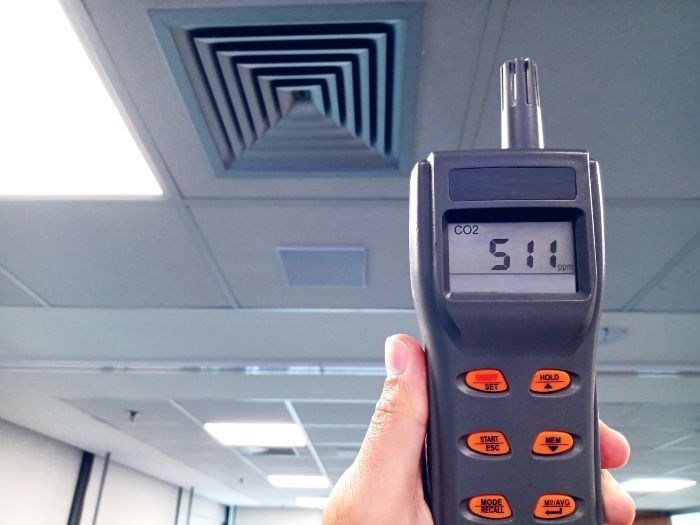
Some indoor air quality issues go beyond what homeowners can address on their own. A licensed HVAC professional can conduct a thorough assessment, measure air contaminant levels, and recommend targeted solutions based on real data rather than guesswork. Contact Keeven Heating & Cooling if you notice:
- Recurring mold growth despite cleaning efforts
- Unexplained health symptoms that improve when household members leave the home
- An HVAC system that is more than 10 years old and has never been professionally inspected
- High energy bills alongside poor air circulation, which can signal duct leaks
Improve Your Indoor Air Quality with Keeven Heating & Cooling
The team at Keeven Heating & Cooling has served homeowners across St. Louis, MO, for years, providing trusted indoor air quality solutions that make a measurable difference. Clean air is not a luxury. It is a foundation for good health, and your HVAC system is at the heart of achieving it. Contact Keeven Heating & Cooling today to schedule an indoor air quality assessment and find the right solutions for your home.
Recent Posts